Author Archives: rjosyula

Report Grid

The Report Grid is a new component to help export data  in PDF format.

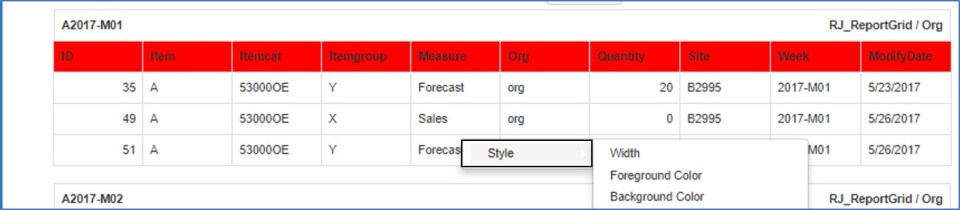
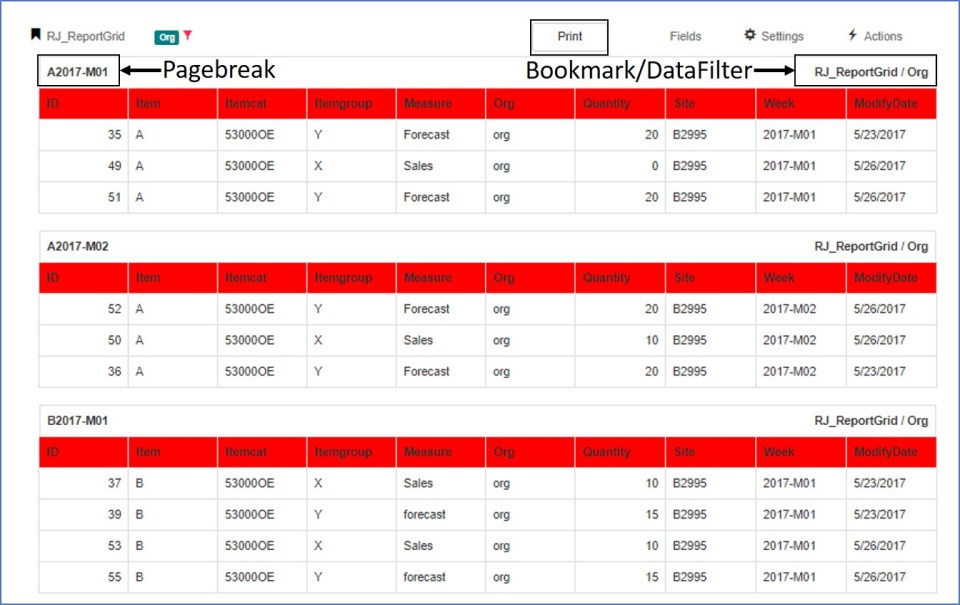
A sample Report Grid is displayed below where the data appears in a format that is conducive for printing in pdf format.

Report Grid

  • The bookmark/filter information is displayed on each page.
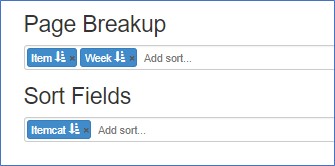
  • The data can be split through predefined page breaks. In the above example Item-Week is used as a page break.
  • Data is sorted through fields defined in sort fields.

Report Grid design

Options

From the options page, users can control the following

  • Toggle between portrait and landscape mode for pdf print
  • Control page and table size
  • Change Border and Font

Style

  • The grid style can be changed by clicking on any column header
  • Background & Foreground color along with column widths can be adjusted

Report Grid Style

Forget Password

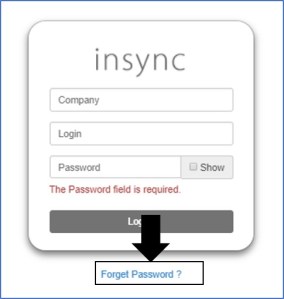
Users can reset their password using the Forget Password option available on the login page

  • On the login page, click on the forget password link

Forget Password

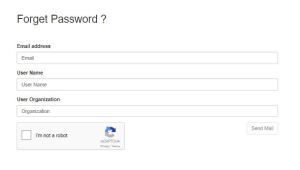
  • In the next screen, enter the user name, email and the user organization

Forget Password screen

  • The email-id has to be the same with which the user registered
  • The user then gets a link to his registered email-id to reset his password
  • The link is only valid for the specific user and can only be used within the next 24 hours
  • Enter username, user organization and the new password to reset the password

Reset Password

Plan Management

This documents explains the new Plan Management screen and how to add/copy/delete plans
In the Plan Management screen, one can see both Supply and Demand plans and switch between them by selecting the desired one. The selected is shown with the red tick mark

Select/Deselect plans

When there are multiple plans, the plans that are visible can be changed by clicking on the red tick to display all plans. From this screen, we can add or remove plans that are visible

Sections

Each Plan Information is divided into relevant sections as shown below for supply and demand plans

Edititing

  • To Edit any plan information or create new plans, click on the edit button to the right.
  • This opens the Edit bar for each plan where users can edit/copy/delete a plan.
  • A new plan can also be created from the New Plan Button

    The three Edit Options are
  • Edit Plan:
  • Copy Plan
  • Delete Plan

Edit Existing Plan

Once we click on the Edit Button, the plan is now in edit mode where users can change the values for the parameters.

  • The edit type for fields is generally a dropdown, text edit, numeric edit or a date edit.
  • Some parameters which are dependent on other parameters value are only available for edit when the main parameter has the required value to enable editing for the dependent field as shown below

Copy Plan

Under Edit Mode, copy plan will copy an existing plan as a new plan. The new plan can only be saved once the “CD” value has been modified as it is the unique key

Delete Plan

In Edit Mode, click on the delete button to delete a plan. A confirmation pop up will ask to confirm the plan deletion.

New Plan

Under Edit Mode, click the new plan button to create a brand new plan. The new plan will have some default parameter values that can be edited.
New Plan.gif

FTP Security

Folders within the FTP structure can now be assigned security groups to control read/write/delete access to the folders.

To define the security access

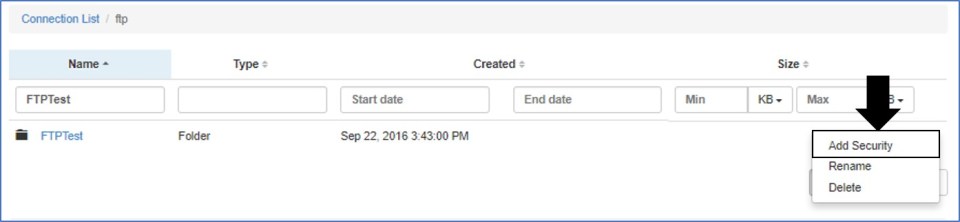
  • Click on the three dots for any folder within FTP folders and click add security

FTP Add security

  • Each folder can have read security, write security and delete security
  1. Read: Only those who are part of the security group assigned will be able to view the folder and its contents
  2. Write: Only those who are part of the security group assigned will be able to add files/folders to the folder
  3. Delete: Only those who are part of the security group assigned will be able to delete the folder or its contents
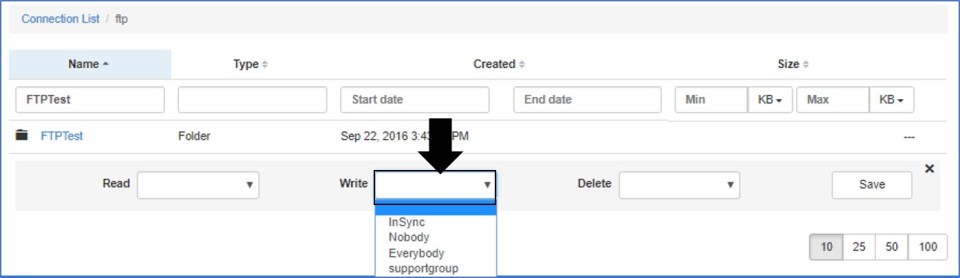
  • Select from the dropdown the security groups for read, write and delete

FTP Add access

  • Once the security groups are selected, click on save

FTP Save

  • Folders which have security defined are represented by a red lock icon. Clicking the icon will display the existing security privileges

FTP Red lock

  • All sub folders and files are granted the same security privileges as its parent.

Scheduling UI – Sequencer

The Scheduling UI has sequencer functionality where users can change the sequence of operations through drag and drop functionality.

The below section explains how to use the sequencer.

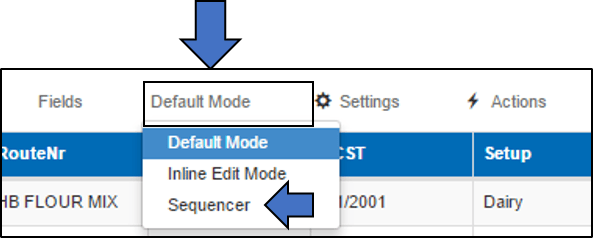
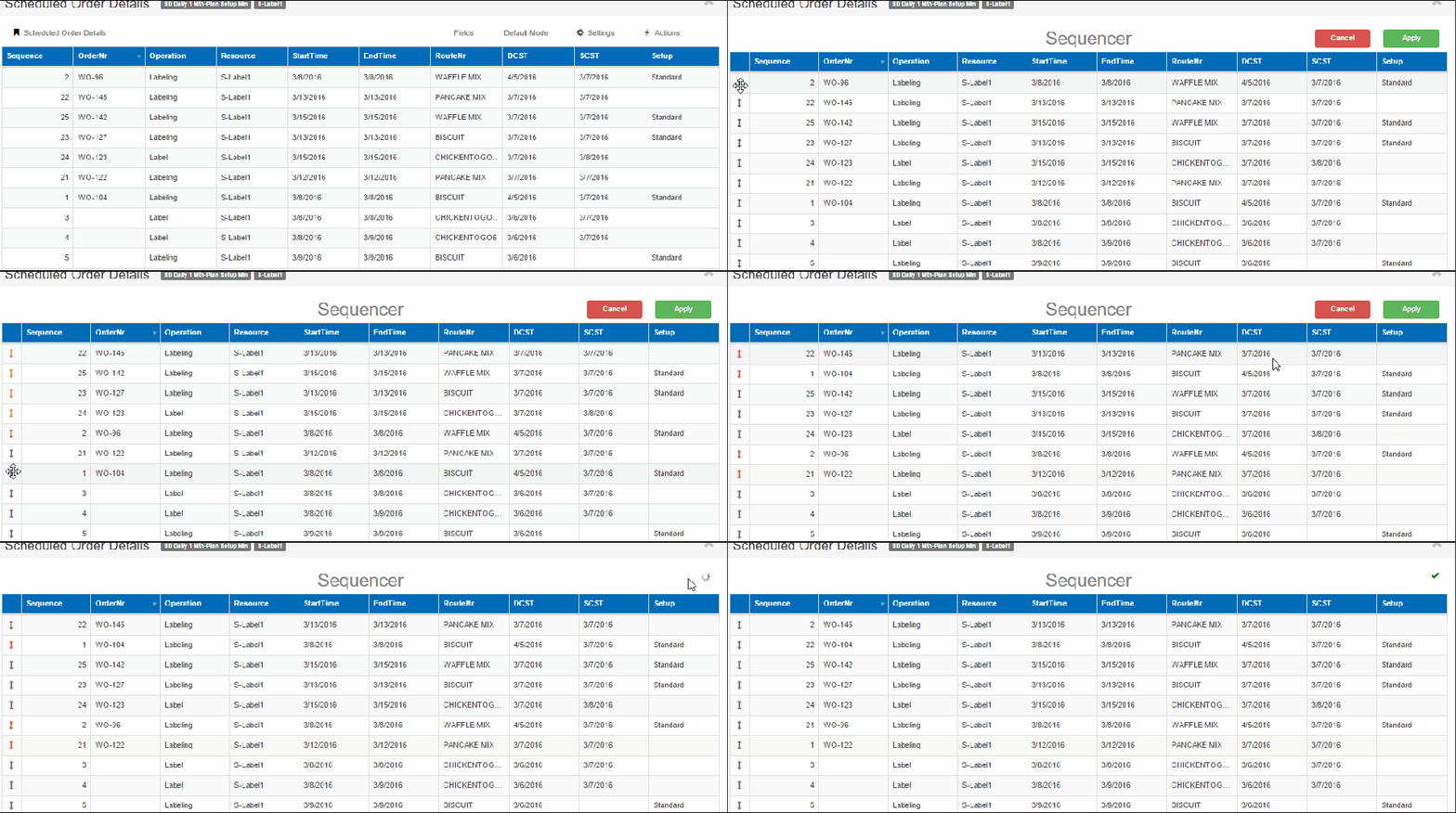
  • In the relevant grid where sequencer is applicable, change to sequencer mode by clicking on the default mode buttonSequencer Mode
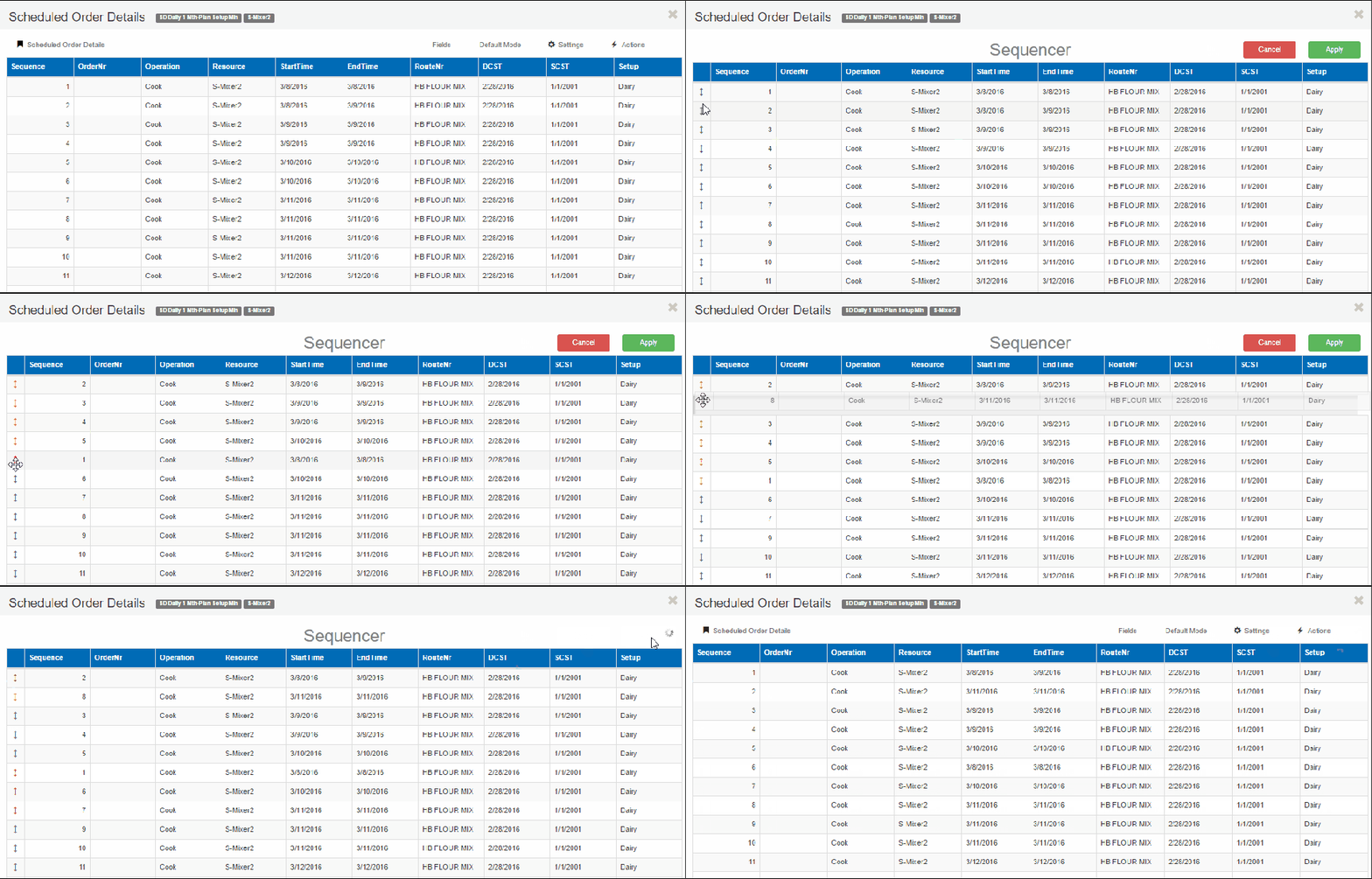
  • Once the sequencer mode is activated, drag and drop the desired rows to the new sequence positionsScheduling UI Sequencer
  • Click apply to see the new sequence order

Sequencer logic

When rearranging rows through drag and drop, the relative positions of the rows are remembered before making changes.

The new rows are assigned the sequence based on their positions in the grid.

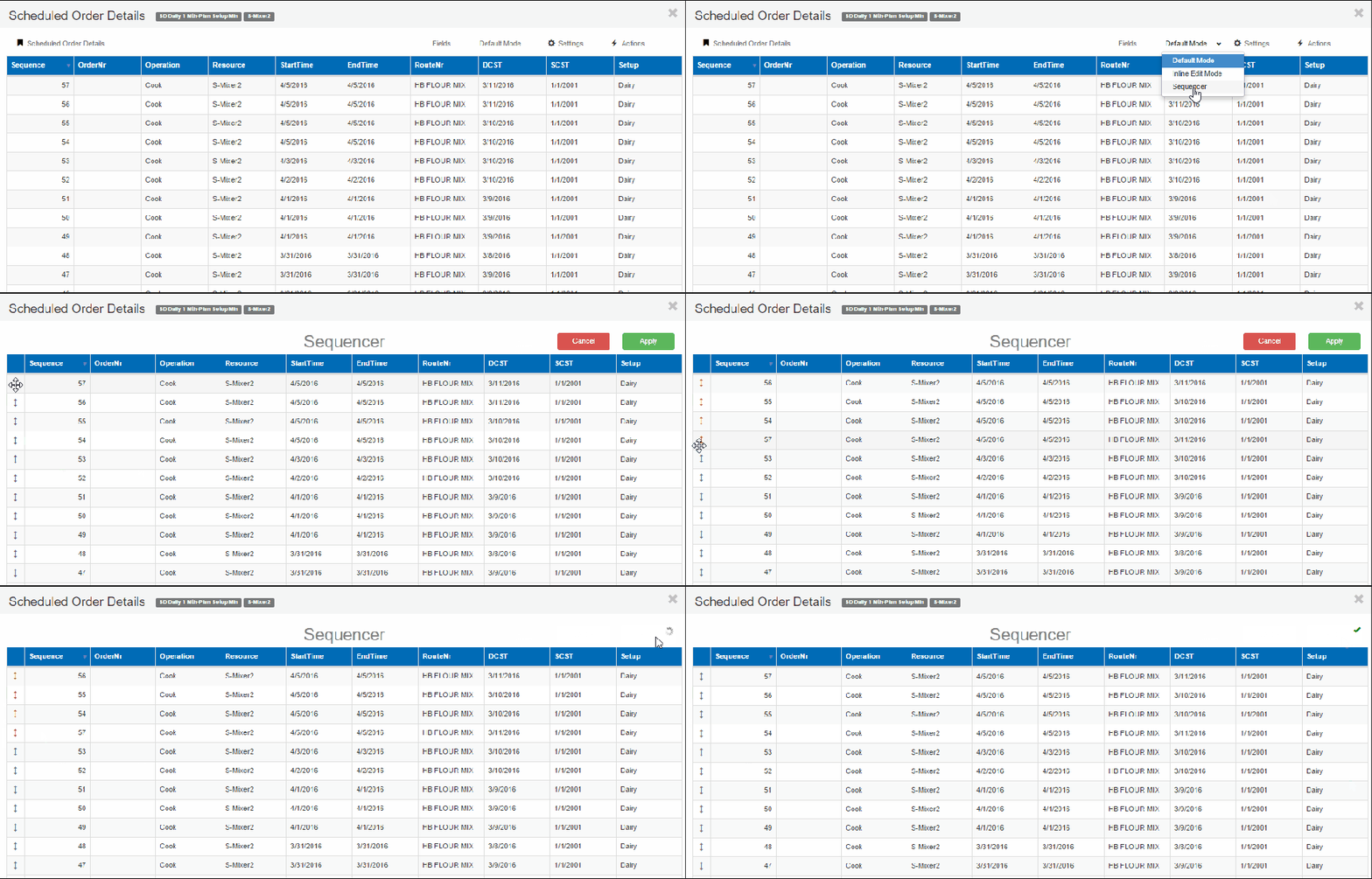
This ensures that the correct sequence is assigned even if the grid has filtered data or is sorted in descending order. A few examples are shown below

Grid sorted in descending order of sequence

Descending Sequencer

Grid sorted in a random order

random Sequencer

As seen from the above gif, the sequence numbers before and after remain the same while the order numbers are now in different relative positions.

Scheduler UI – Gantt chart

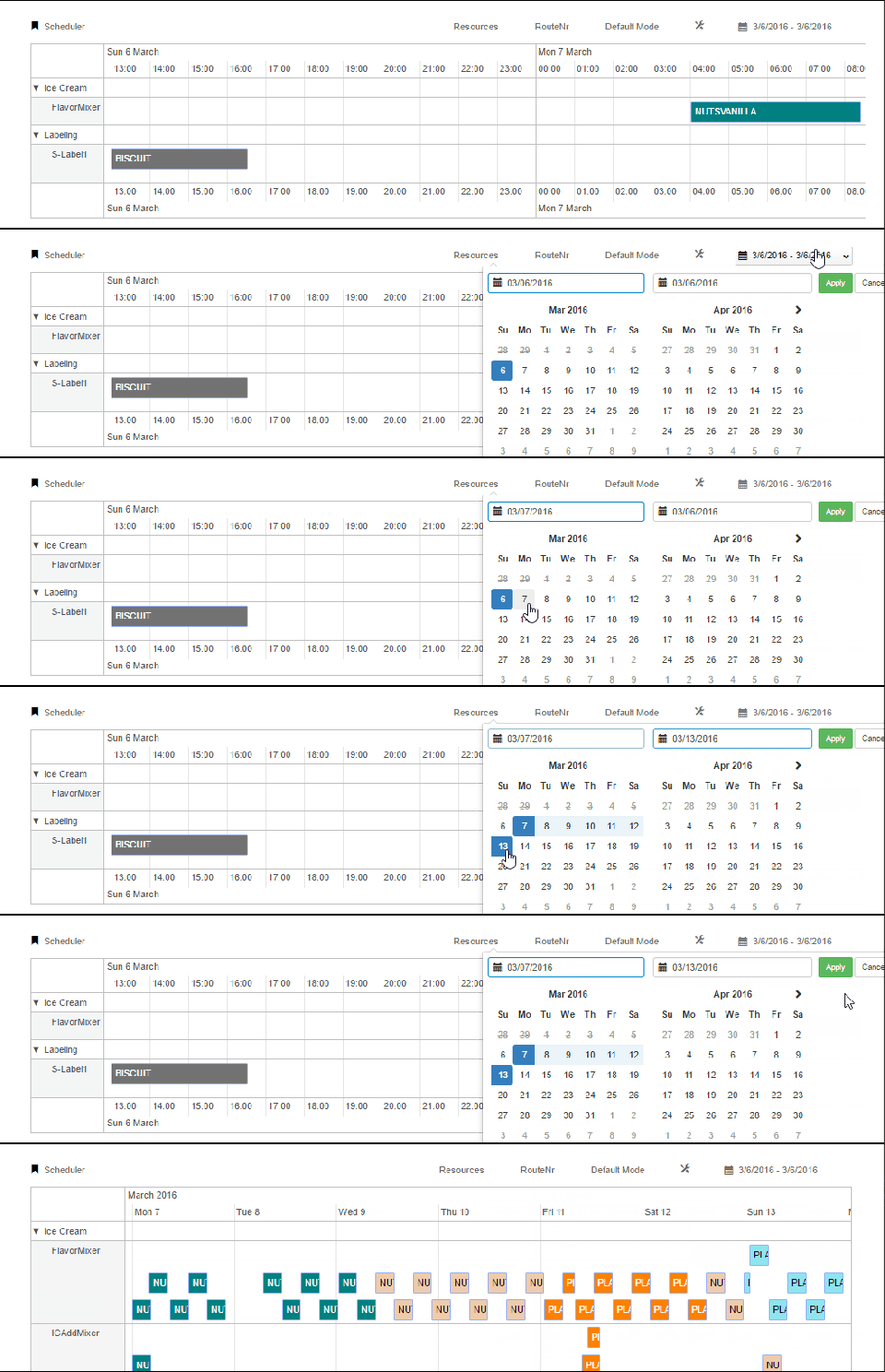
The Scheduling UI is a Gantt chart with options to edit and re-arrange operations and save changes.

The following functions are available within the scheduling UI

  1. Filter: Based on Category, Group or resource
  2. Series: Change labels of operations to see relevant information. Ex: attribute/route number, ERP status etc
  3. Group by: Group resources based on Resource Category or Resource Group
  4. Modes: Toggle between Scheduler Mode, default mode or preview mode
  5. Date Filter

Scheduling UI

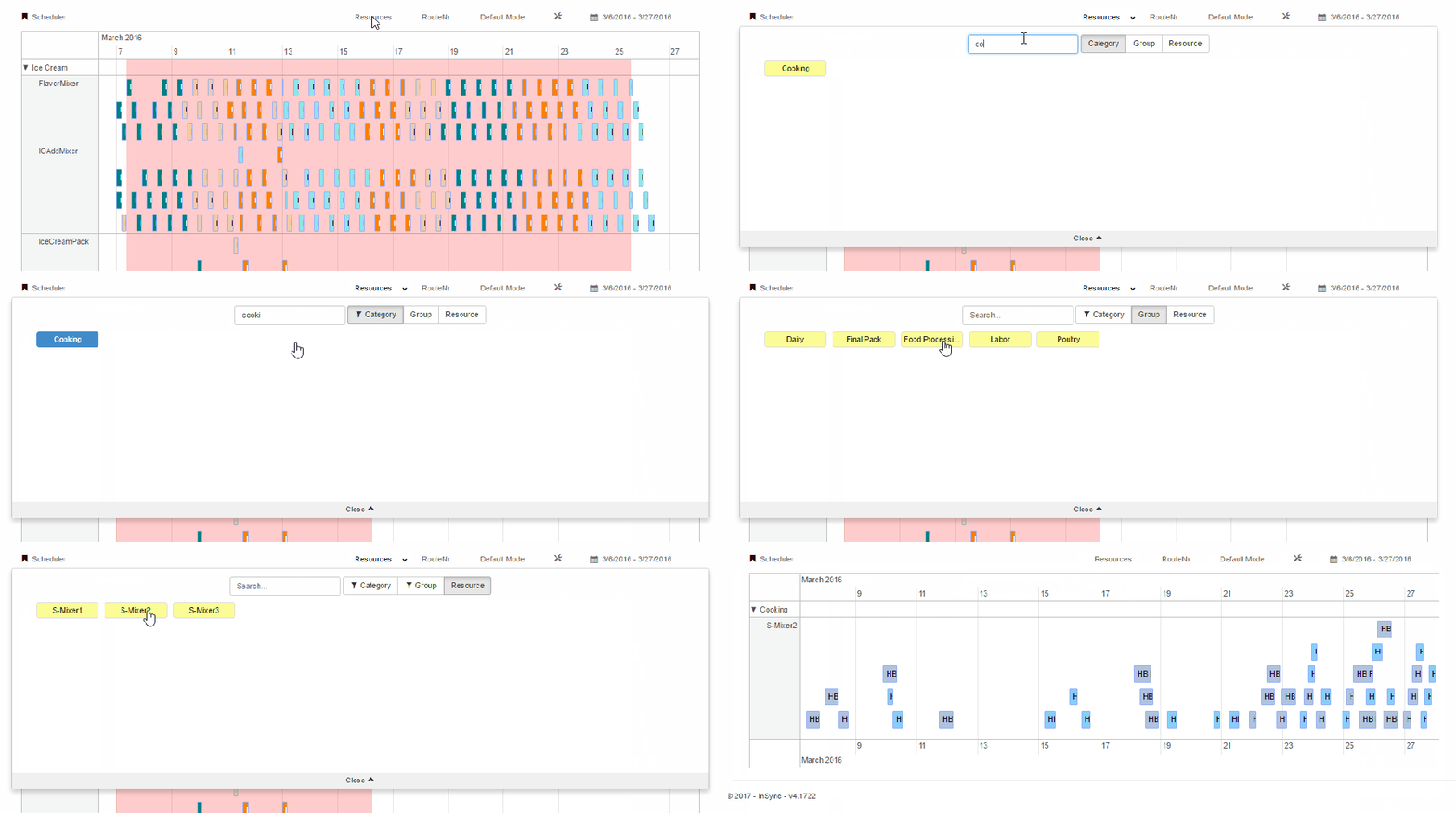
1) Filter data

  • Click on the Resources button to open the filter area.
  • Search and select the relevant category, group or resource
  • Click on close to apply filters.

Filter S UI

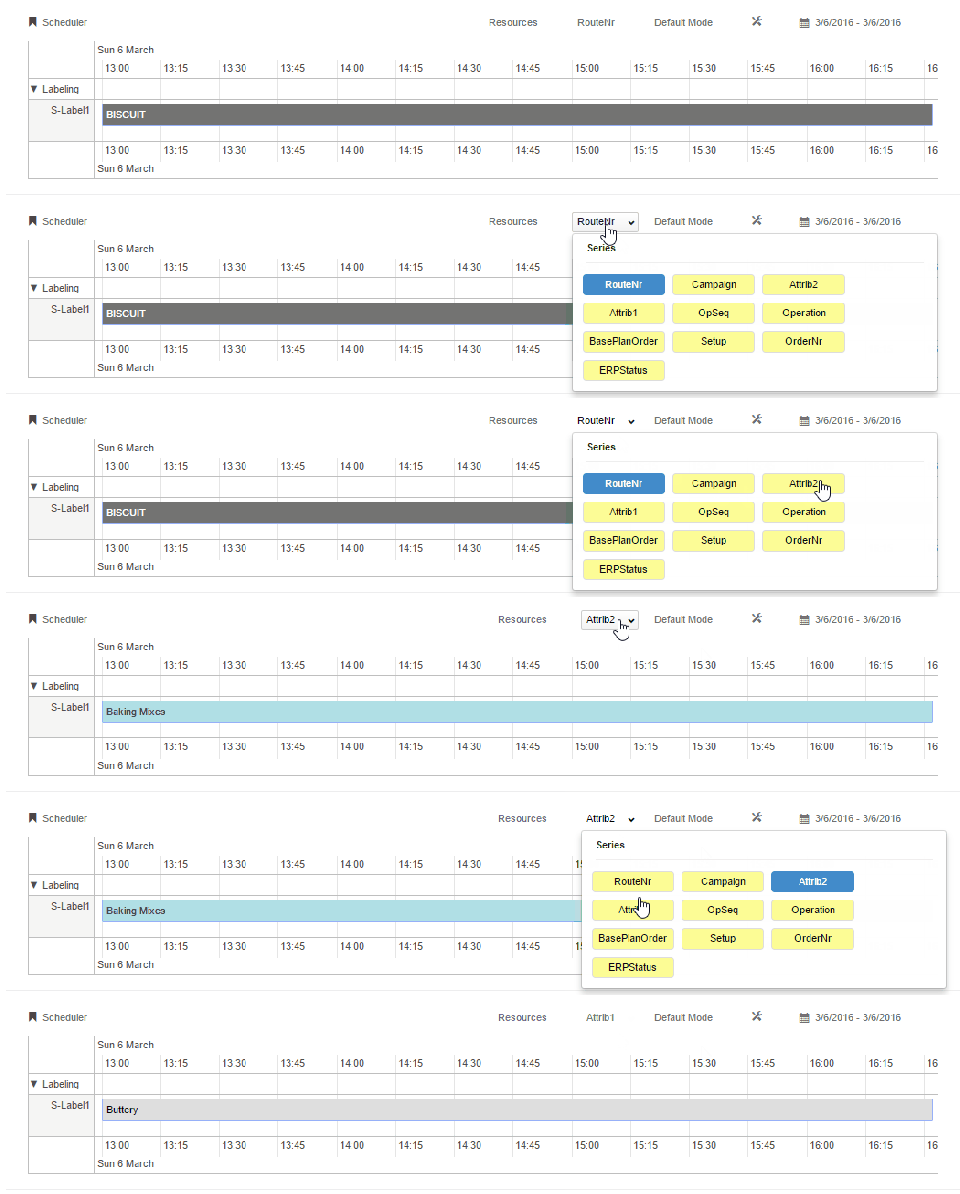
2) Change Series

  • Click on the series button to change the label information displayed on operation.
  • Click on any button to instantly see the new label

Series S UI

3) Group By

  •  Click on the settings icon
  • Toggle between group by Resource Category or Resource Group
  • Click close to apply changes

Group By S UI

4) Modes

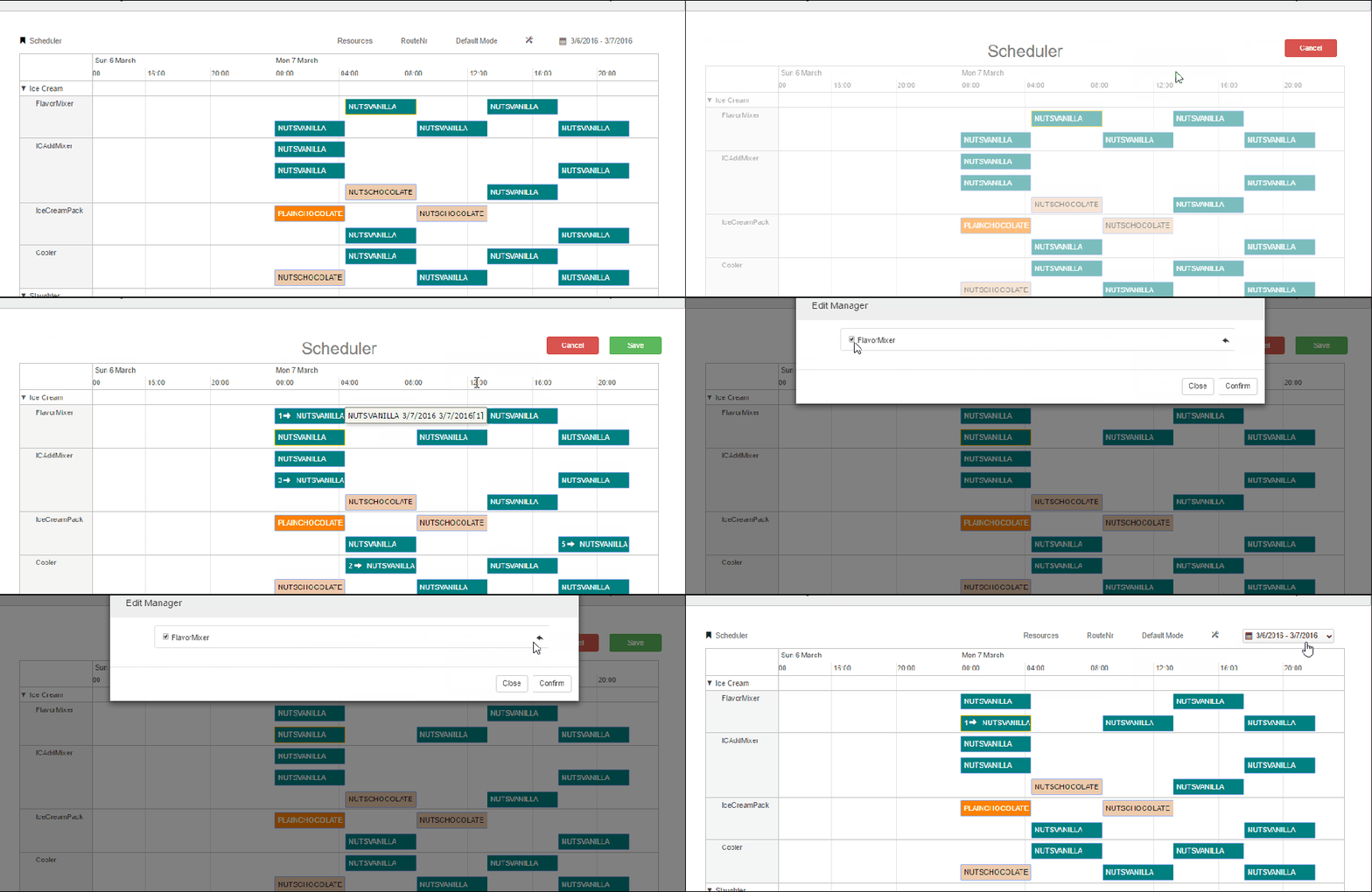
In the scheduler mode, users can drag and drop operations and save changes.

  • Click on the default mode button
  • Select scheduler mode
  • Drag and drop any operation to the desired start time
  • Click save
  • In the edit manager, unselect if the changes are not desired.
  • Click confirm will apply the changes.
  • The screen remains in scheduler mode. Click on cancel to go back to default mode


In the preview mode, users can open drilldowns in preview mode by clicking on the operation. Any related drilldown will appear in the preview screen

5) Date Filter

To filter data based on dates follow the steps below

  • Click on the date range button
  • Select the start date and end date and click on apply

Date Filter S

Configuration Screen updates

Configuration table screens now allow better control over visibility and order of fields displayed in the respective tables.

These features are available in all applicable screens under configurations(Data Tables, IDO, Workbench, TableMaster etc)

Re-arrange fields

Drag and Drop

  • To rearrange the fields, drag the field and drop it at the desired position
  • After rearranging the fields, the order is remembered for the user for revisits to the same screen

Hide/Show Fields

  • Click on the three dots to display all the available fields
  • Select/deselect to control which fields are displayed in the UI

Hide Show

IDM Sequencer

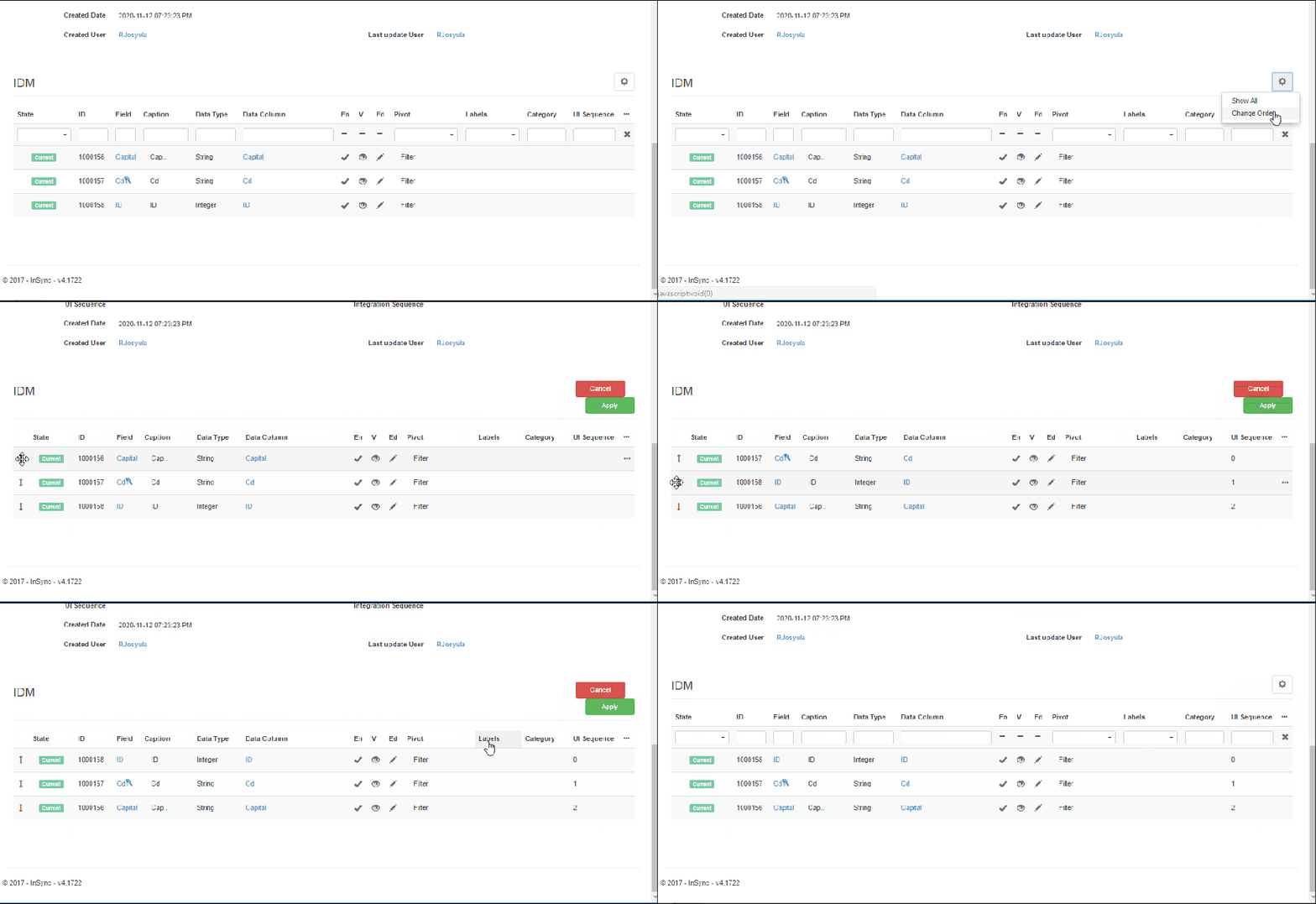
In IDO, IDM fields can now be sequenced using drag and drop feature to control their order in the IDM table

IDM Sequencer

  • Click on the settings button and click on change order to drag and drop the desired field to their new position and click apply.

Search/Filter

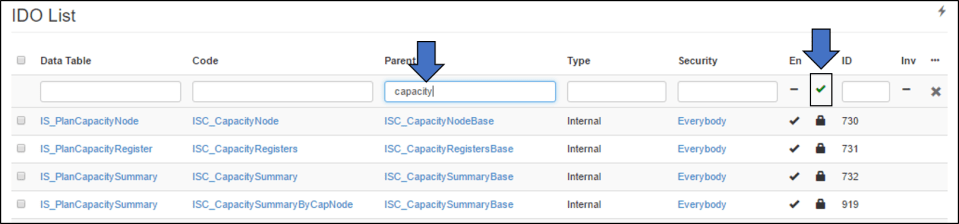
In the configurations tables, there is a provision to search and filter results.

Depending on the field, either a text search or selective dropdown is available. For boolean fields a boolean filter is applicable.

IDO Filters

Pivot/Unpivot data through Bulk Export/Import

Bulk Export and Import job now has additional abilities to transform the data being importted/exported by making use of pivot and unpivot transformations.

This document explains how to set up the jobs as well as explain the csv file data structures that can now be imported into iPlanner.

Pivot & Import Data

Data in a csv file can be imported to iPlanner using the Bulk Import job. This data can be transformed using the pivot transform parameter to decide the final layout of the data in iPlanner.

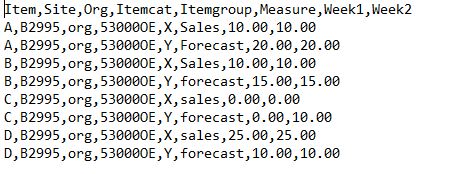
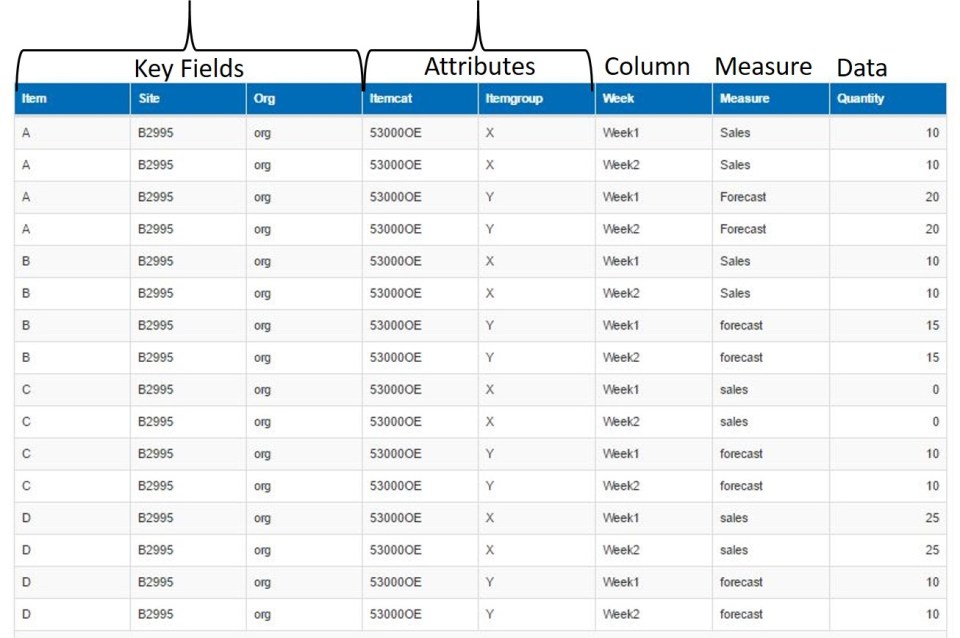
The following csv file is used as an example to explain the process.
CSV1

This above data in a csv file format can be imported to iPlanner by transforming the data in two ways

Case 1) The weeks are under a single column along with measure with Quantity column displaying the respective values for each measure.

DT

To achieve this the following steps have to be followed

1) Create a Job task of type = BulkDataImport

2) Enter the following parameters for the task. These paremeters help understand the data structure and what transform needs to be done on the data

  • Table: Enter the Data table name to which the csv file has to be imported. Ex: BMD_Article
  • Keys: Enter the fields which are key in the table. If there are multiple key fields use comma to separate them Ex: Item,Site,Org
  • Column: Enter the column field in the data table. This is generally a time related field Ex: Week
  • Measure: Enter the measure field name. Ex: Measure
  • Data: Enter the data field from the data table that will store the quantity values. Ex: Quantity
  • Attributes: Enter the fields which are attributes. Ex: ItemCategory, ItemGroup. Use comma to separate multiple fields
  • Transform: For Importing data, the transform type has to be Pivot.

3) Upload the csv file when prompted during the task run

If the job task is scheduled, additional parameters are needed to specify the source file path. If the file is on the ftp server, then the ftp path and file name have to be specified.

Once the task is complete, the imported data will appear as shown below in the data table
Data Table

Case 2) The weeks are under a single column and each measure i.e Sales and Forecast are two different columns

DT2-

To achieve this the following steps have to be followed

1) Create a Job task of type = BulkDataImport

2) Enter the following parameters for the task. These parameters help understand the data structure and what transform needs to be done

  • Table: Enter the Data table name to which the csv file has to be imported. Ex: BMD_Article
  • Keys: Enter the fields which are key in the data table. If there are multiple key fields use comma to separate them Ex: Item,Site,Org
  • Column: Enter the column field in the data table. This is generally a time related field Ex: Week
  • Measure: Enter the measure field name. Ex: Measure
  • Data Measure: Enter the data measure fields from the data table that will store the quantity values. Ex: Sales,Forecast
  • Attributes: Enter the fields which are attributes. Ex: ItemCategory, ItemGroup. Use comma to separate multiple fields
  • Transform: For Importing data, the transform type has to be Pivot.

3) Upload the csv file when prompted during the task run

If the job task is scheduled, additional parameters are needed to specify the source file path. If the file is on the ftp server, then the ftp path and file name have to be specified.

Once the task is complete, the imported data will appear as shown below in the data table

Import2

UnPivot & Export Data

Data in a Table can be exported into a csv file using the Bulk Export job. This data can be transformed using the pivot transform parameter to export the data in the required format.

The data in a table can be in two different formats .

Case 1) The weeks are under a single column along with measure with Quantity column displaying the respective values for each measure.

Data Table

To Export this data follow these steps

1) Create a Job task of type = BulkDataExport

2) Enter the following parameters for the task. These parameters help understand the data structure and what transform needs to be done on the data during export

  • Table: Enter the Data table name from which the csv file has to be exported. Ex: BMD_Article
  • Keys: Enter the fields which are key for the data table. If there are multiple key fields use comma to separate them Ex: Item,Site,Org
  • Column: Enter the column field for the data table. This is generally a time related field Ex: Week
  • Measure: Enter the measure field name. Ex: Measure
  • Data: Enter the data field in the data table that stores the quantity values. Ex: Quantity
  • Attributes: Enter the fields which are attributes. Ex: ItemCategory, ItemGroup. Use comma to separate multiple fields
  • Transform: For exporting data, the transform type has to be UnPivot.

If the job task is scheduled, additional parameters are needed to specify the destination file path. If the file is to be stored on the ftp server, then the ftp path and file name have to be specified.

Once the task is complete, the exported data will appear as shown below in the sample csv file.
CSV1

Case 2) The weeks are under a single column along with measure with Quantity column displaying the respective values for each measure.

Import2

To Export this data follow these steps

1) Create a Job task of type = BulkDataExport

2) Enter the following parameters for the task. These parameters help understand the data structure and what transform needs to be done

  • Table: Enter the Data table name from which the csv file has to be exported. Ex: BMD_Article
  • Keys: Enter the fields which are key for the data table. If there are multiple key fields use comma to separate them Ex: Item,Site,Org
  • Column: Enter the column field in the data table. This is generally a time related field Ex: Week
  • Measure: Enter the measure field name. Ex: Measure
  • Data Measure: Enter the data measure fields in the data table that stores the data measure quantities. Ex: Sales,Forecast
  • Attributes: Enter the fields which are attributes. Ex: ItemCategory, ItemGroup. Use comma to separate multiple fields
  • Transform: For exporting data, the transform type has to be UnPivot.

If the job task is scheduled, additional parameters are needed to specify the destination file path. If the file is to be stored on the ftp server, then the ftp path and file name have to be specified.

Once the task is complete, the exported data will appear as shown below in the sample csv file.
CSV1

Release Notes 4.1714

bullets.png

This release includes improvements on existing functionality in the UI along with new functionality to make summations in grid and ability to filter in pivot. The improvements made  are easier handling of categories, quicker search options in pivot, changes to data tooltip along with the option to change unit of measure in grids. This update also includes general improvements for usability and stability of the system

The changes made are described below in detail

star.png Additions/improvements to Pivot filter/search
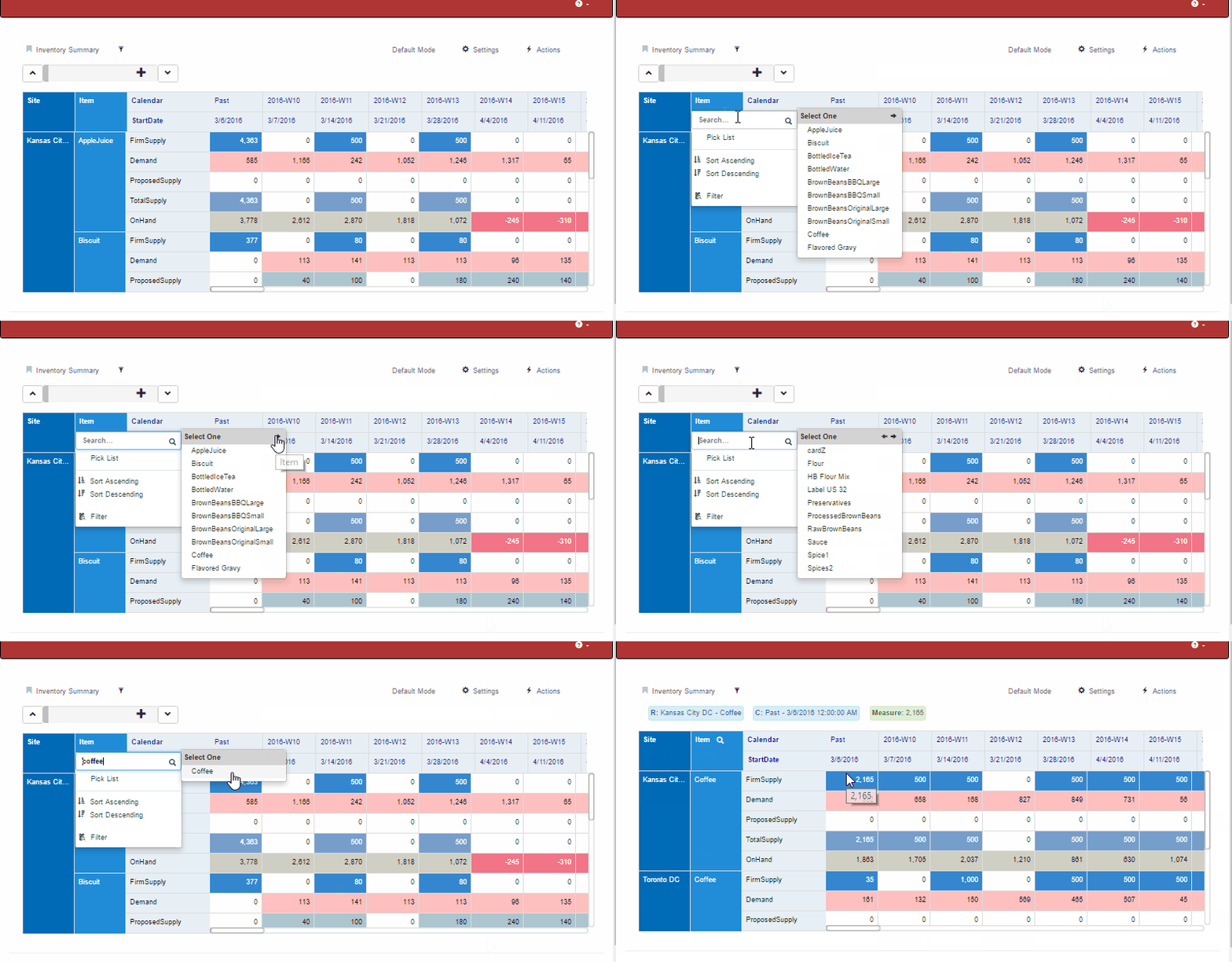
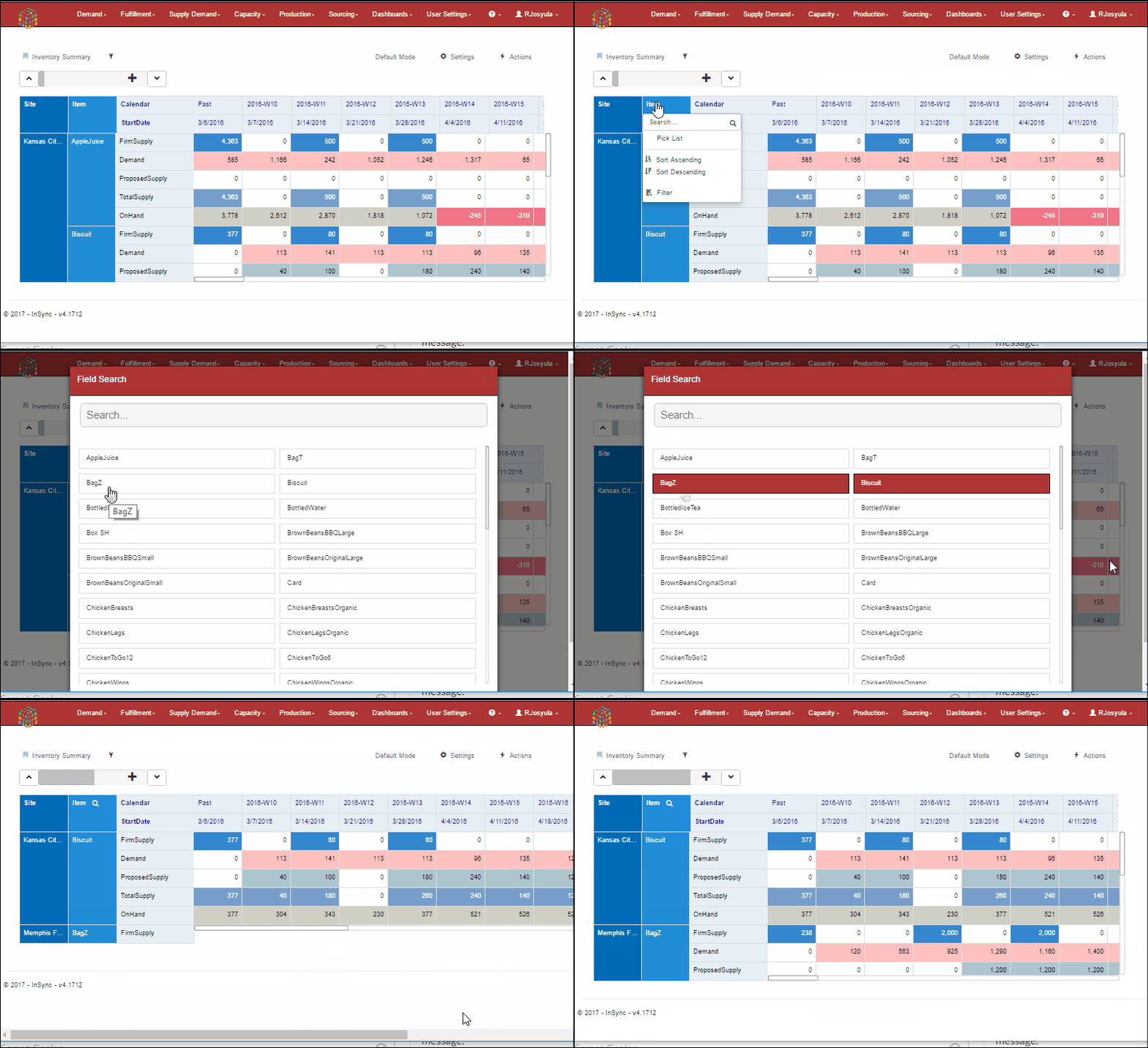
In the latest release, significant changes have been made to pivot/cpivot to make applying filters easier for users.

Filter functionality in pivot

The filter functionality which was previously available only in grids and tgrids is now also available in pivots.

Filter Pivot

  • Filters can be saved to user settings.
  • This filter queries from the database directly as represented by the DB icon next to the filter button

Search/Pick List

The search or pick list also filters data but is done directly on the client side(UI)

  • Search allows to quickly navigate/type and make a single selection
  • Click on the header and clear selection to remove applied filters
Quick Search

Search

  • Picklist allows  multiple selections

Pick List

  • The search icon indicates that the filter has been applied

Search Icon

star.png Unit of Measure selection for Grids

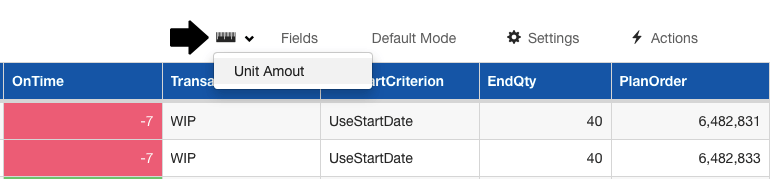
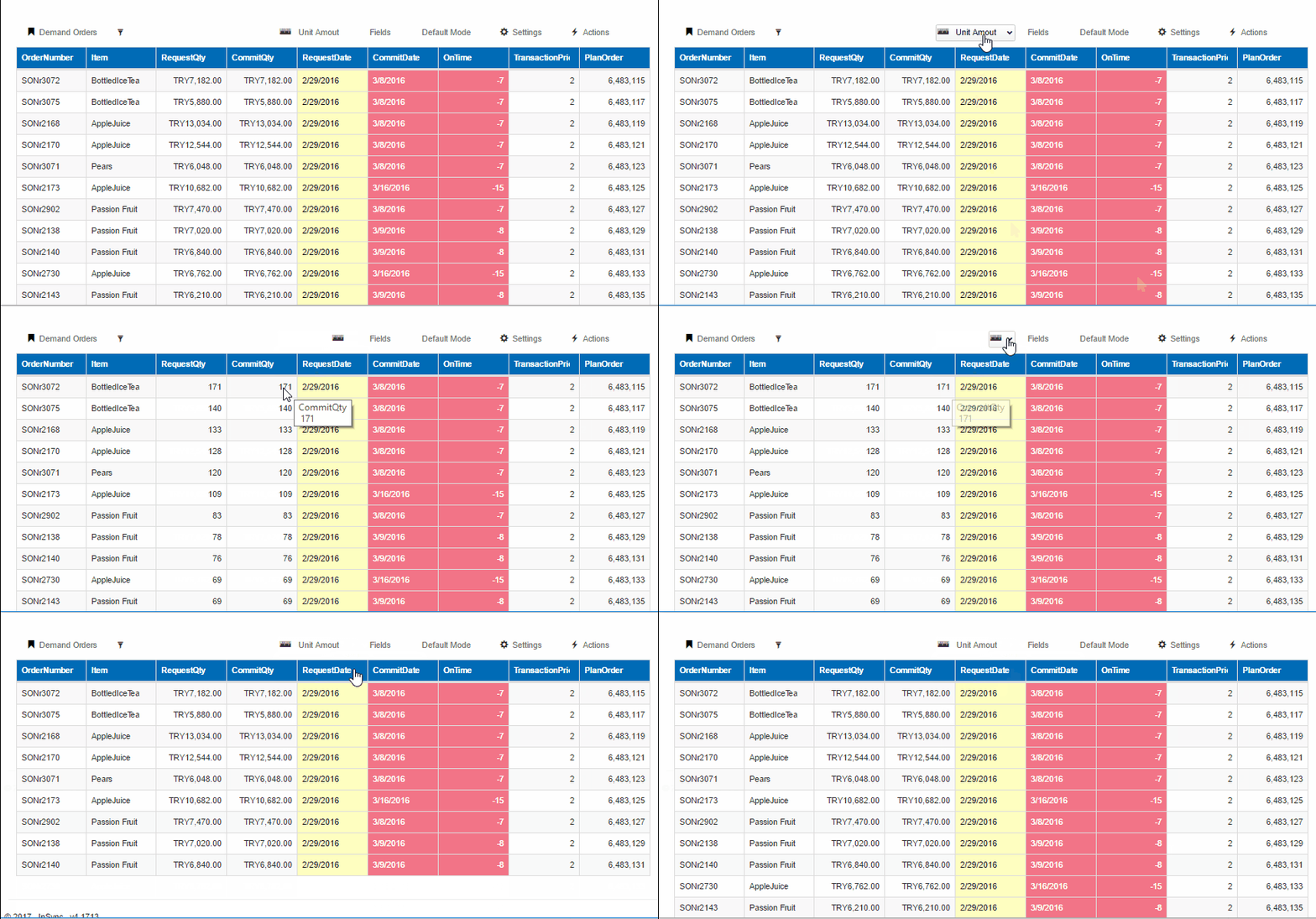
In the latest release, a new feature has been added to allow the user to choose the unit of measure in which to view the data in.

  • User can either select the default units or select amount to view the data from a cost perspective in the below example.

Screen Shot 2017-03-31 at 1.56.29 PM

UOM1

star.png Ability to total Grid report columns

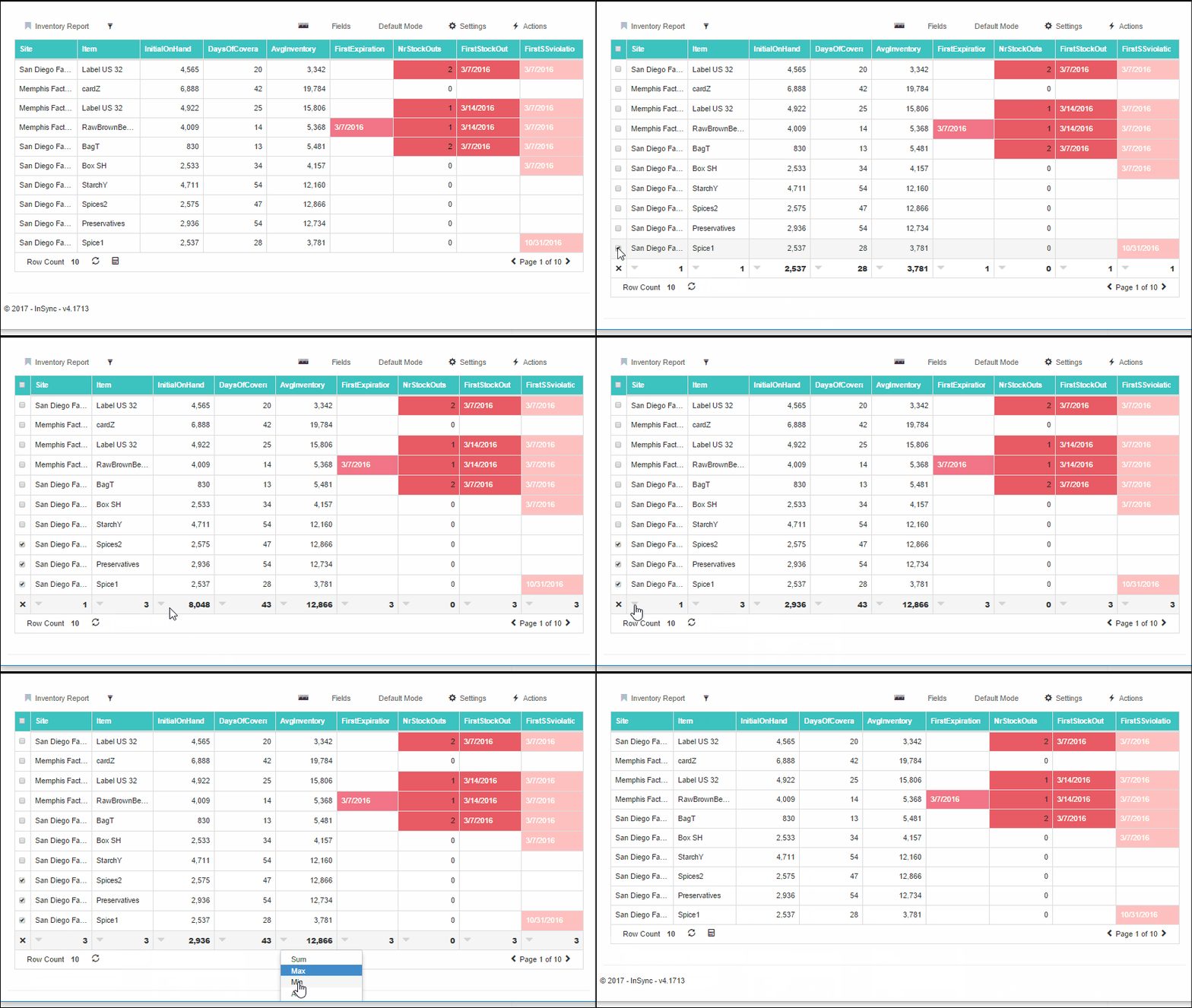
A new function has been added to grid that allows users to make data summarisations of selected rows and view the totals in the grid

  • To view the totals, click on the calculator icon to activate the grid totals
Screen Shot 2017-03-31 at 2.06.49 PM

Detached Mode

Screen Shot 2017-03-31 at 2.06.23 PM

Integrated Mode

  • Select desired rows
  • View the results at the bottom/top of the grid
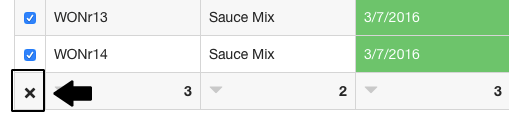
  • Click on the X icon to close the calculator mode

screen-shot-2017-03-31-at-2-11-38-pm.png

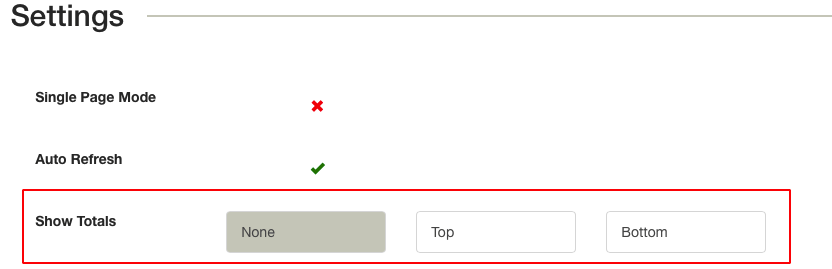
  • In Settings -> Options the user can choose whether the totals will appear at the top or bottom of the grid

Screen Shot 2017-03-31 at 2.02.30 PM

  • For each column, based on the field type, the available summation options are
    • For text fields, count & distinct count
    • Date fields: Count, max & min
    • number fields: Sum, average, max, min & count

Calculator

star.png Changes to Category Management

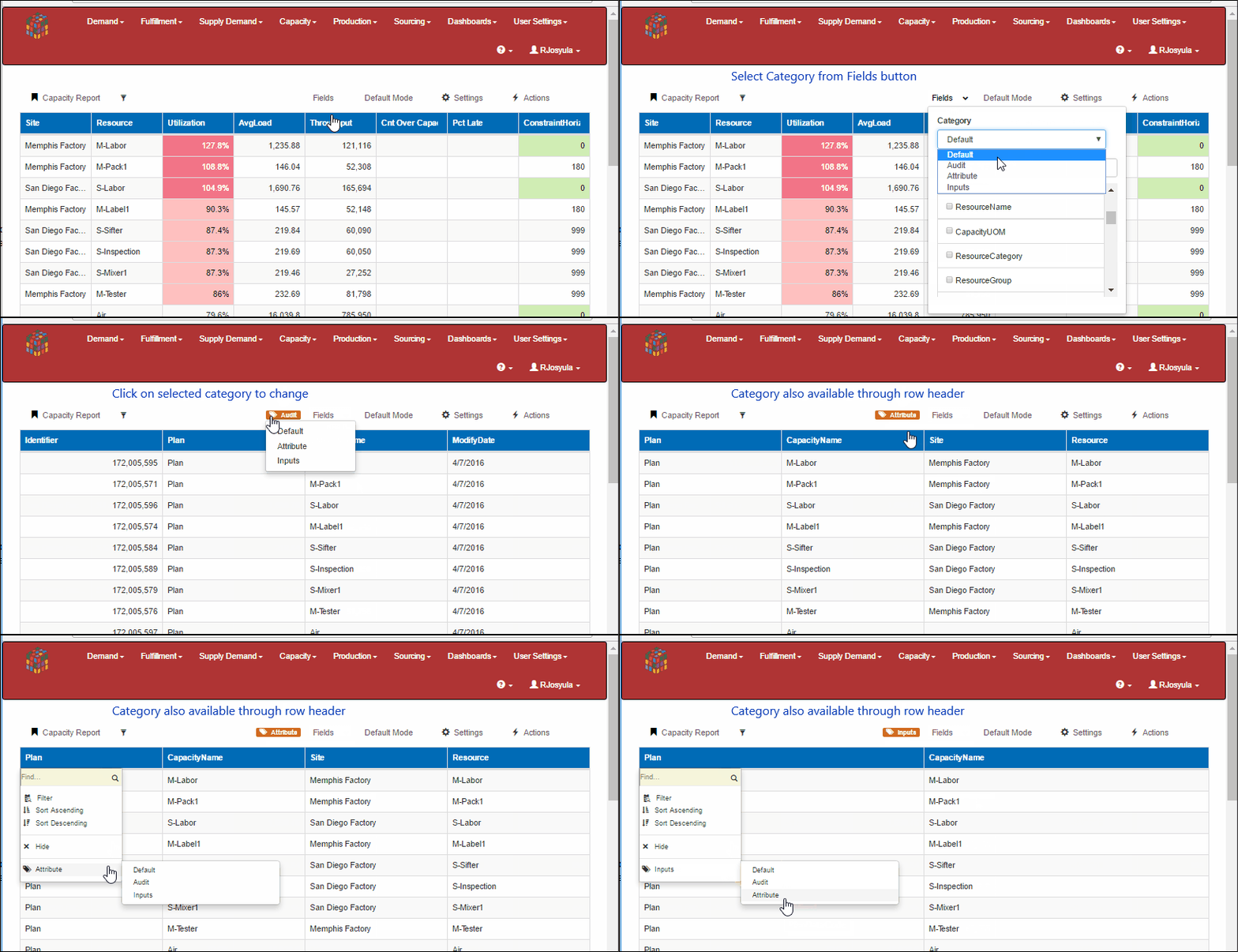
The category function available in Grids & TGrids has been improved in the latest release to improve usability. Categories are useful for quickly changing the layout based on pre-defined field layouts.

Category

Category

The following changes have been made to categories

  • Display the category selected by user.
  • Ability to modify category from the display directly.
  • Once the category has been modified, a new category called “modified” is displayed to show the user is no longer displaying the default categories.
  • The “Default” refers to the default setting that is received from the meta data and not to the users default setting.
  • To go back to the default settings of the user do Restore Settings under Settings menu
  • Categories can also be changed by clicking on the row header.

Category

star.png Borders to identify field type in Inline Edit mode

In Inline edit mode, cells have  border in a unique color to identify the field characteristics

Inline Edit Mode

Formatting Guide

  • Blue Border: Required field
  • Bold Text: Key field
  • Green Border: Editable Field
  • Red Border: Read only field

star.png Data tooltip to include header information

This improvement has been made to facilitate easy access of header information when the header is no longer visible

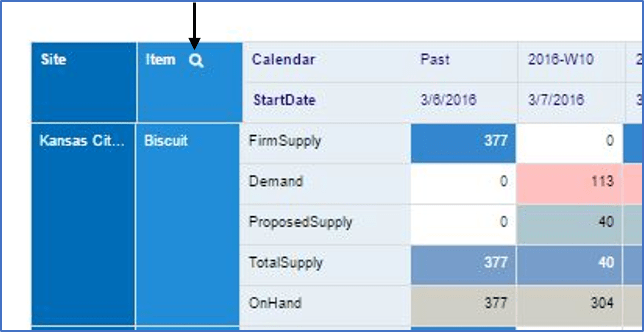
Data Tooltip

star.png New format of type TIME in UI display

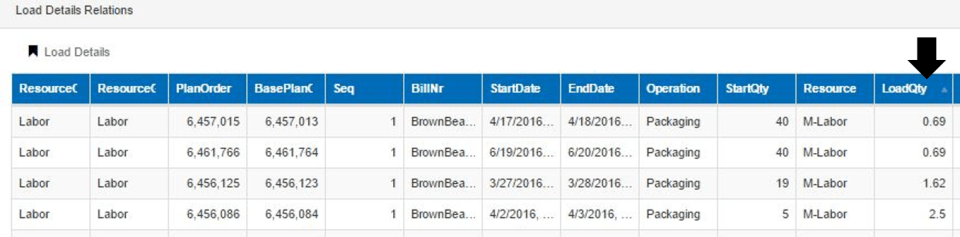
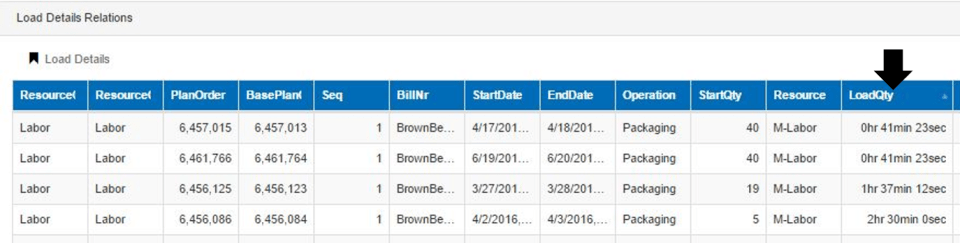
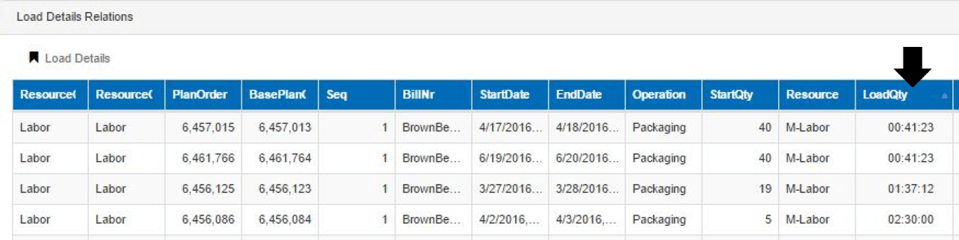
For fields like Resource Loads which are usually time measured, were displayed as a decimal. This new release enhancement allows to also view these values in a time format as shown below.

Both short and long form time displays are supported in Day, Hour or Minute

Load Details

Load Quantity in Decimal

Load Details Long

Load Quantity in Time long format

Load Details Short

Load Quantity in Time short format

Release Notes v4.1703

bullets.png

This release includes a new functionality along with improvements made to key components. These changes include a new feature to plot graphs in pivot/tgrid/vgrid and key improvements have also been made to show details in pivot and cpivot components. This release also gives users better control of files in the FTP Folder.

In the latest InSync Cloud release the following changes have been made.

star.png Plot Graph added to components

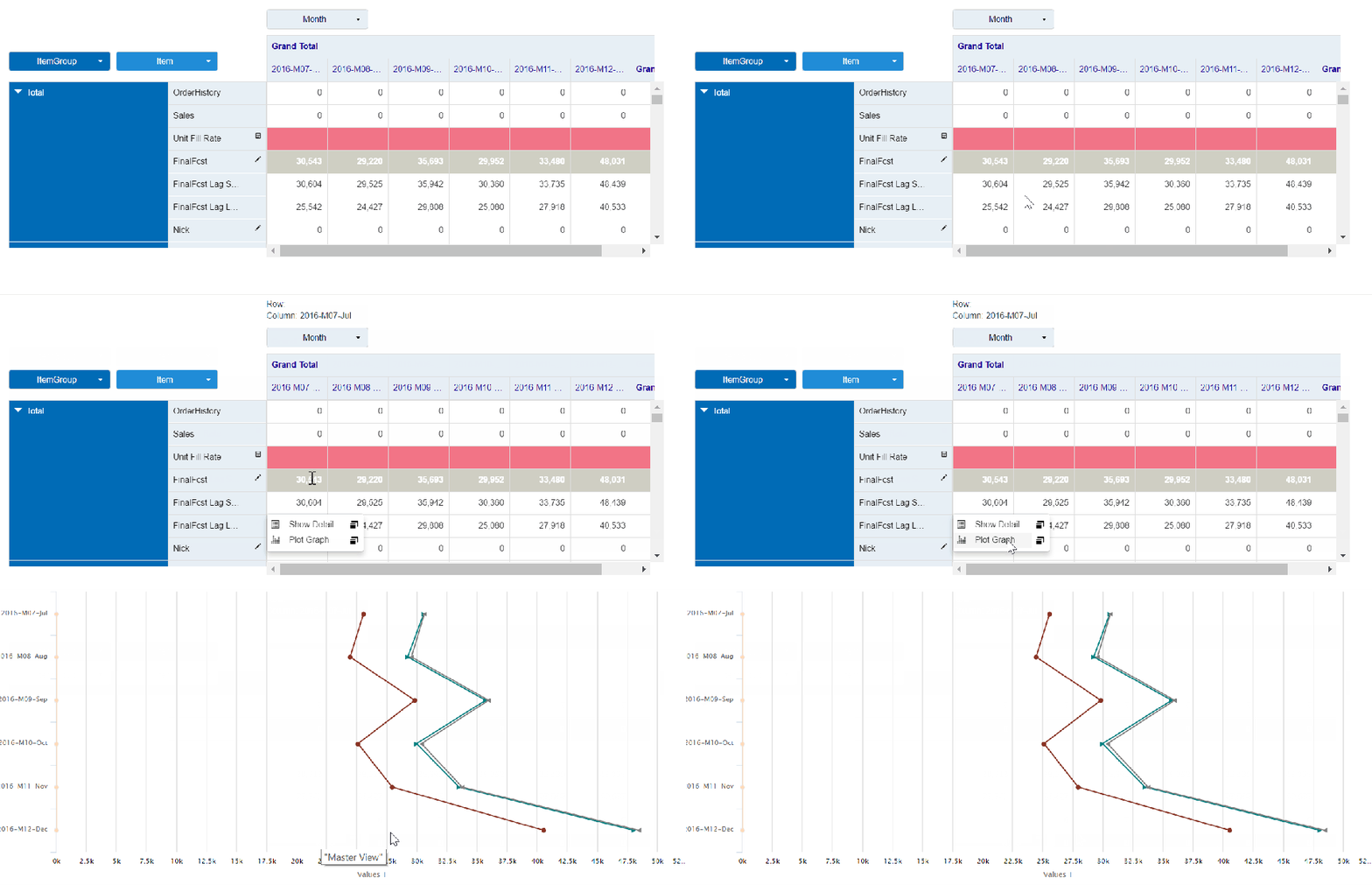
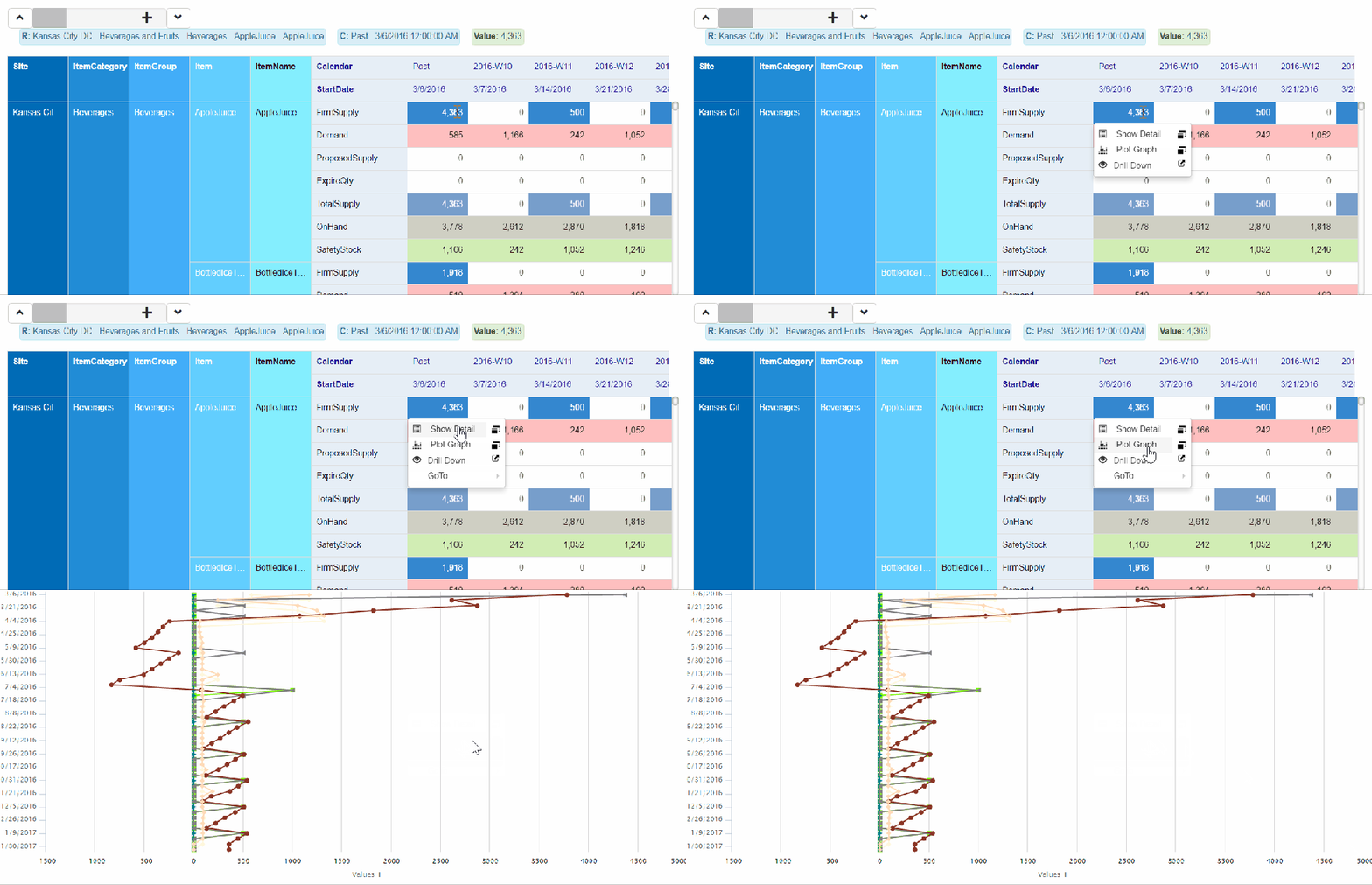
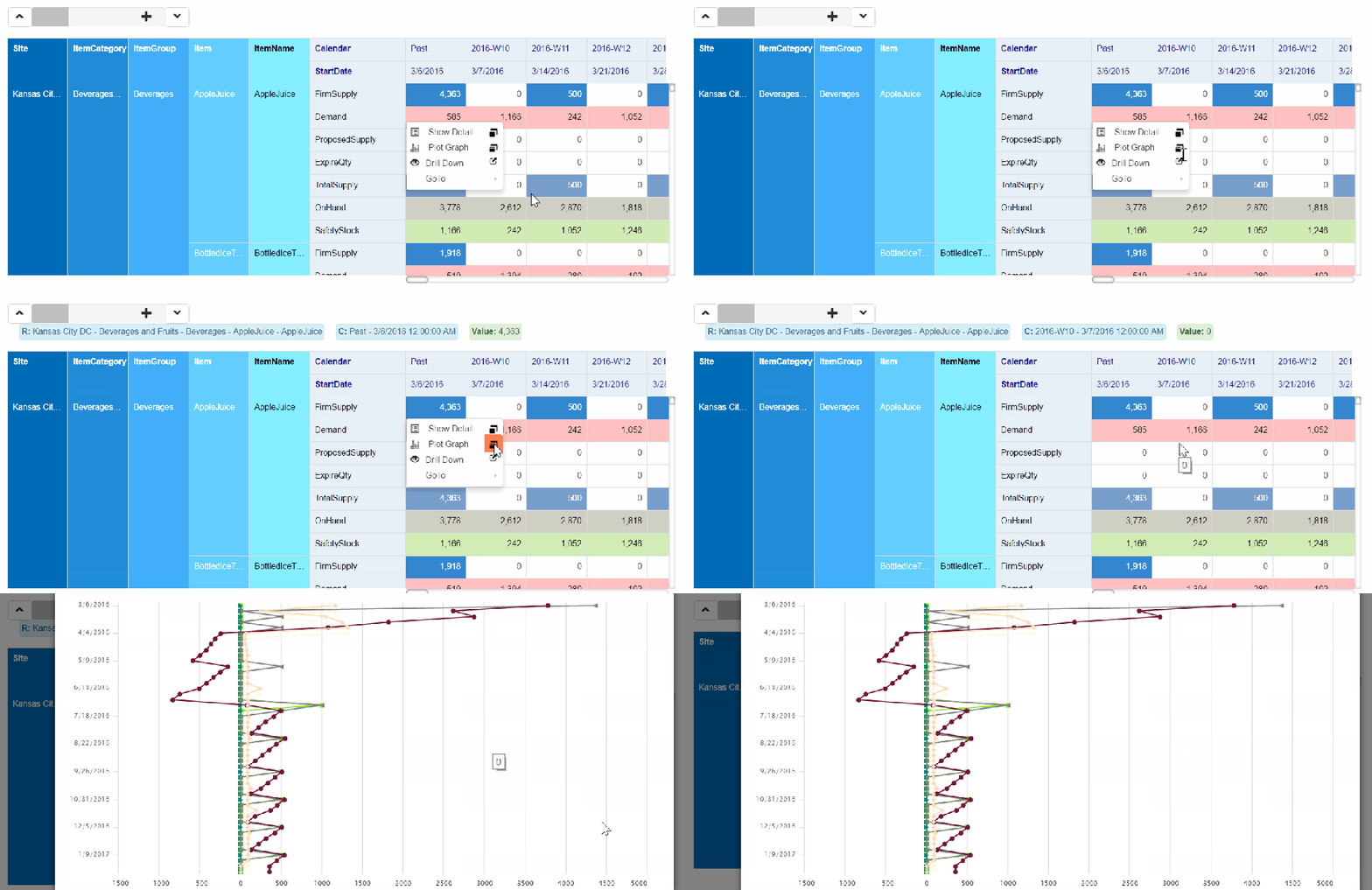
This is a new functionality that has been added to the following components – pivot, cpviot, tgrid & vertical grids. Plot graph allows users to view the selected data in the form of a graph

  • For pivot and cpivot, the graph is plotted using chart options that already exist for the workbench(Both pivot and cpivot have graph view mode that shares chart options with plot graph).
  • For a Tgrid, plot graph will open the chart options window(only the first time) so the user can select his options.
  • For vertical grid, the plot graph is done for the entire data present in the vertical grid.
  • Chart options can be saved to settings.

Plot Graph can be viewed either in a new page or as a pop up

plot-graph-pop-up

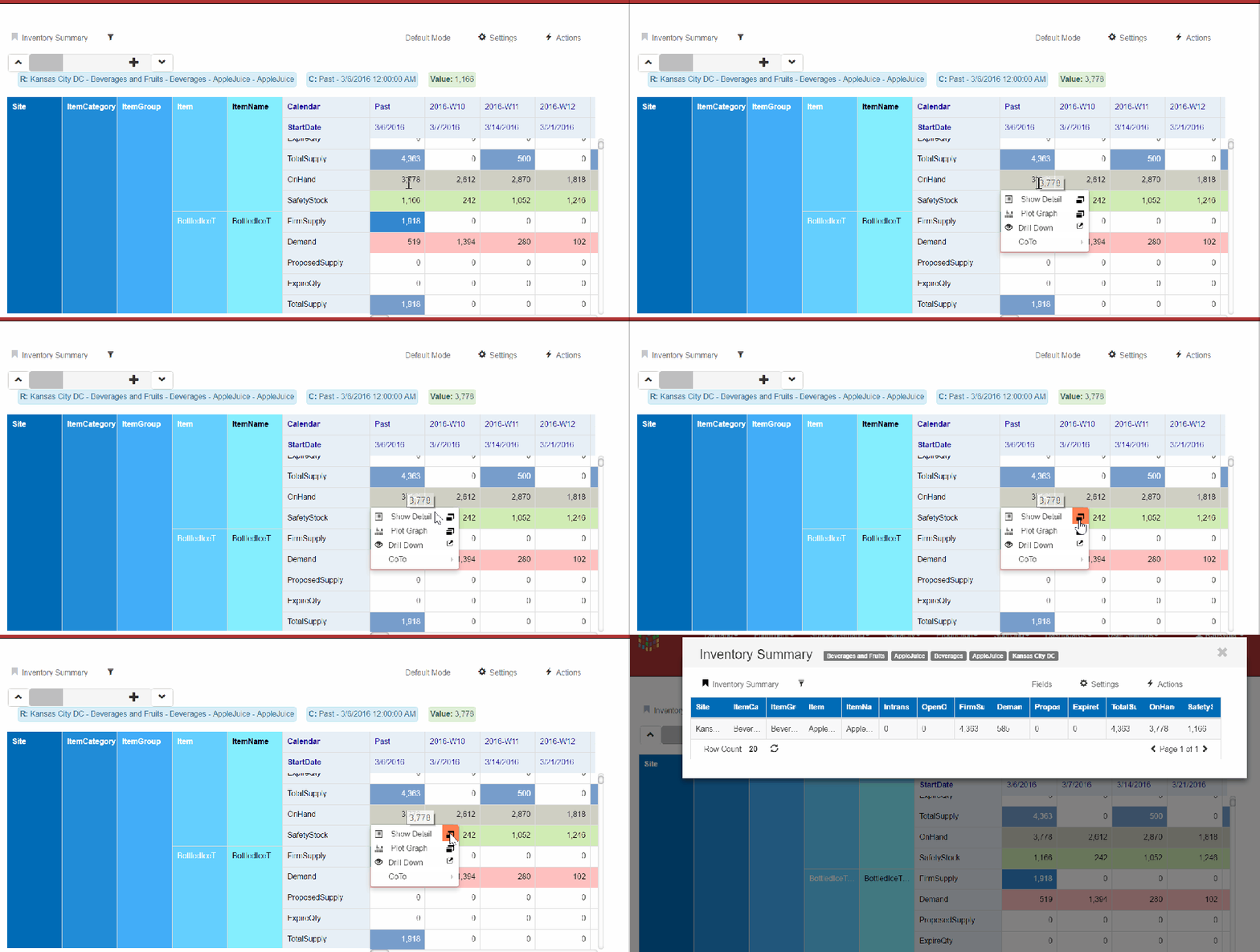
star.png Show Detail for Pivot/cPivot improved

Improvements have been made to the show detail option available in pivot/cpivot to make it more effecient and for easy navigation.

Show Detail now opens either in a new page or as a pop up based on the selected cell data

star.png New Job Task for control of Cloud Data

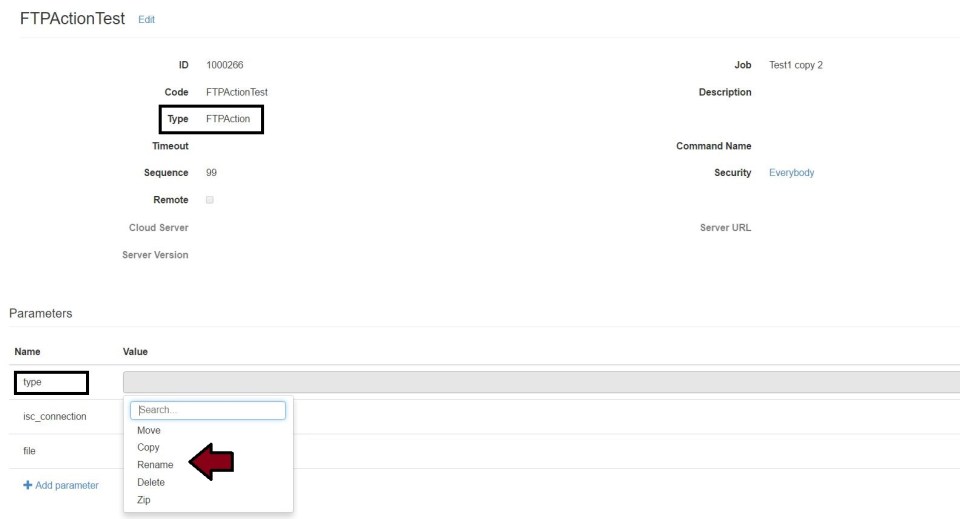
In the latest release a new Job Task of type FTPAction has been added which allows users to copy, movie, rename, zip and delete ftp files through job tasks.

When a user selects “FTPAction” as a task type, the user can choose a type of action as a parameter from the following.
1. Move – Move file from one folder to another within FTP directory
2. Copy – Make a copy of the file
3. Rename – Rename existing file
4. Delete – Delete file
5. Zip – Zip files

Parameters

The user needs to specify the following parameters based on the action type.

ftpaction